October 9, 2026 · Systemine
What If Art Therapy Could Actually Help Quiet Your Anxious Mind?
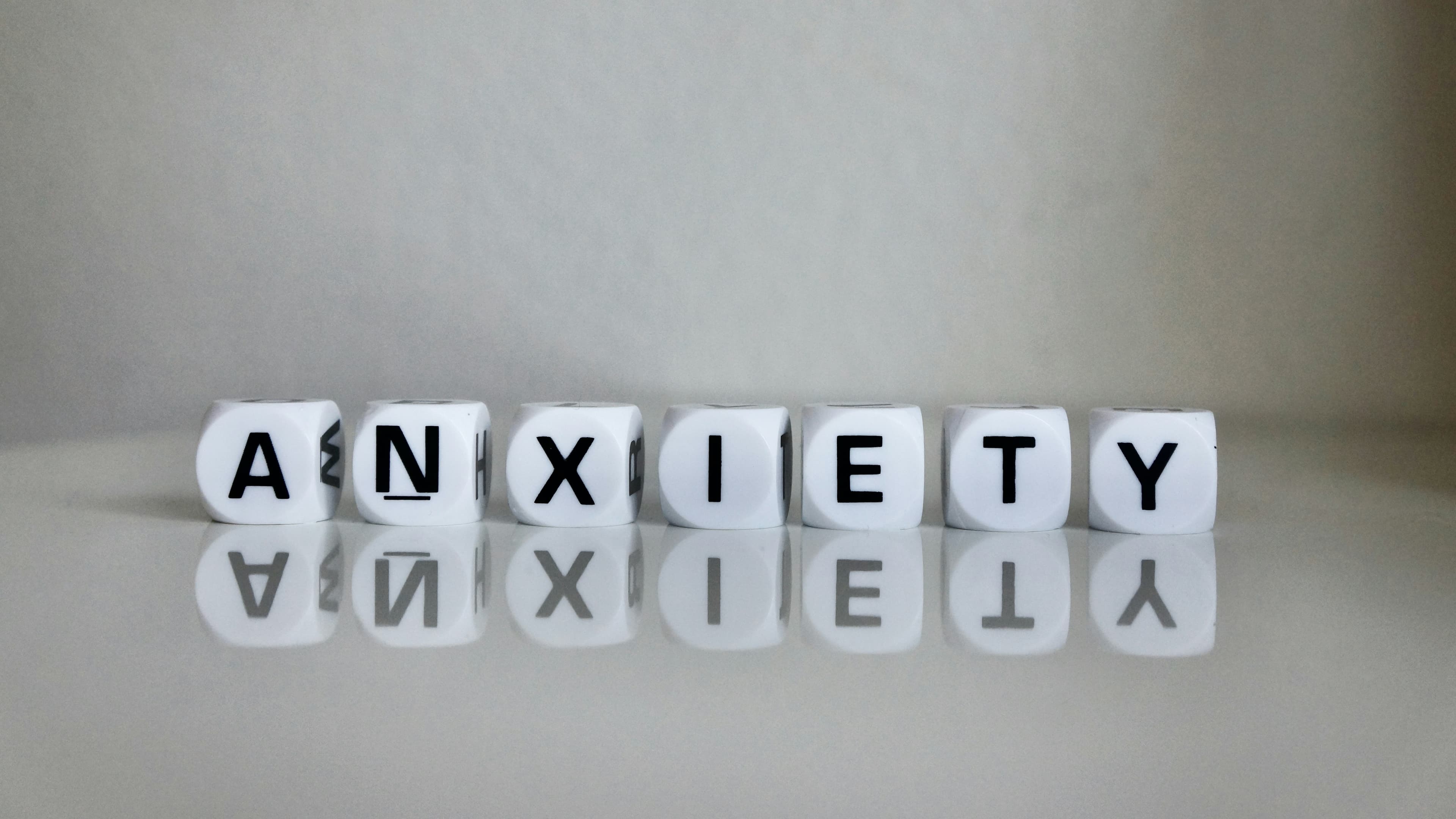
Anxiety has a peculiar habit of generating more of the thing that’s already overwhelming you. You worry about an upcoming conversation. Then you analyse every possible outcome. You try to stop overthinking, notice that you’re still overthinking, and begin worrying about why you can’t switch your brain off. At some point, another thought doesn’t necessarily help.
This is where creative practices offer an interesting alternative. Instead of trying to reason your way through every feeling, you can give that feeling somewhere else to go.
Not every experience needs to begin with an explanation.
When words aren’t enough
We often approach difficult emotions by trying to understand them verbally. We journal, make lists, replay conversations, search for explanations, and attempt to identify exactly what’s bothering us.
These approaches can be genuinely useful. But sometimes, especially when we’re overwhelmed, more analysis becomes another loop to get stuck in.
Creative activities offer a different starting point.
You could draw the shape of your anxiety without trying to explain it. Use colours to represent the different things occupying your mind. Make a collage of everything that feels overwhelming, or follow a line across a page without deciding where it should go.
None of these activities requires you to produce something beautiful. You’re not making art for an audience. You’re creating an opportunity to notice, express, and explore an experience that might otherwise remain tangled in your thoughts.
The page becomes a place to put something down, rather than another place to figure everything out.
What does art have to do with anxiety? There’s a growing body of research examining how visual art-making and art therapy may support people experiencing anxiety.
A 2025 systematic review and meta-analysis examined 35 randomised controlled trials involving 3,167 adults. It found reduced anxiety symptoms among participants receiving visual art therapy, although the overall quality of the evidence was rated very low. That’s promising, but it isn’t a guarantee that every creative activity will reduce anxiety for every person.
So what might make these practices useful?
Externalising. When you turn an internal experience into something visible, you can observe it from a slightly different perspective. Instead of holding every thought in your head, you have something concrete to look at, change, or revisit.
Exploring without needing an immediate answer. Colours, shapes, images, and textures can help you investigate an experience without forcing yourself to find the perfect words for it.
Engaging your attention differently. Choosing materials, making marks, repeating a pattern, or working with your hands can give your attention a specific activity to engage with. For some people, this can offer a welcome break from repetitive thinking.
Noticing what emerges. Looking back at something you’ve made may reveal what occupied your attention, what felt important, or how your experience shifted during the process. These observations aren’t diagnoses or hidden truths. They’re starting points for reflection.
The point isn’t that art magically removes anxiety. It’s that creative work gives you another way to engage with it.
You don’t have to be an artist
One of the biggest misconceptions about using art in a mental health context is that you need to be good at it.
You don’t.
A crooked drawing can be useful. A page full of scribbles can be useful. So can choosing three colours and noticing which one you’re drawn to today.
The value isn’t in the finished product. It’s in the process of making choices, expressing something, paying attention, and seeing what happens.
And you don’t need to interpret every mark you make. A blue circle doesn’t have to represent sadness. A chaotic page doesn’t automatically reveal something about your personality.
Sometimes, you just made a blue circle.
Creative practice works best when it leaves room for curiosity rather than turning every result into another thing to analyse.
Give your feelings somewhere to go
Mental Health Studio Vol. 01: Anxiety was created around this idea.
It’s a self-guided, art-therapy-based creative workspace that brings together 12 guided, art-based exercises across four entry points: EXTERNALIZE, EXPLORE, REGULATE, and GROUND.
Inside, you’ll find guided activities, audio instructions, reflection prompts, printables, original artwork, and check-ins to help you explore your experience and notice patterns over time. You can work through the exercises at your own pace, without needing artistic experience.
It’s not a replacement for professional mental health care, and it doesn’t promise to make anxiety disappear. It’s a structured space to experiment with creative practices and find additional ways of working with what you’re feeling.
Because sometimes, you don’t need another explanation for what’s happening inside your head.
Sometimes, you need a pencil, a little space, and permission to begin without knowing what you’re going to make.
Feel it. Express it. Work with it.
Explore Mental Health Studio Vol. 01: Anxiety by Systemine.
Keep reading
Read Next
2026-10-10
Are You Understanding Yourself, or Constantly Diagnosing Yourself?
Why does self-awareness starts to feel like surveillance these days? You cancel plans because you’re exhausted. Are you protecting your peace, or are you avoidant? You feel jealous. Is it insecurity, an attachment issue, or a trauma response? Someone disappoints you, and suddenly you’re wondering whether they’re a narcissist.

2026-10-10
The First Drink Often Happens Before You Pour It
The psychology of the pre-drinking negotiation : “I’ll only have two.” “I’ve had a terrible day. I deserve this.” “It’s somebody’s birthday. I can’t not drink.” “Tomorrow, I’ll take a break.” Notice something about these thoughts? The drink hasn’t happened yet, but the mind is already building a case for it.
2026-08-18
What If Narcissism Isn’t About Loving Yourself Too Much?
We usually picture a narcissist as someone who thinks very highly of themselves. They walk into a room assuming they’re the most interesting person there. They want admiration. They think they’re special. They may have very little patience for criticism. So narcissism gets reduced to one simple idea: